What You'll Learn
This guide is designed for F&B Directors and hotel operations leads managing properties with significant events trade who need to understand why hotel banqueting food safety is structurally different from restaurant food safety and where procedures written for the restaurant fail at volume.
- Why banqueting looks more like a factory than a restaurant and why the same procedures cannot cover both
- Six specific risks at volume: hot holding, cold holding, transit kitchens, allergen handover, external items, and event cadence
- Why the temperature log can show compliance when individual plates are not compliant
- What a three-layer banqueting food safety programme looks like
- The trigger points when operators commission an independent banqueting food safety review
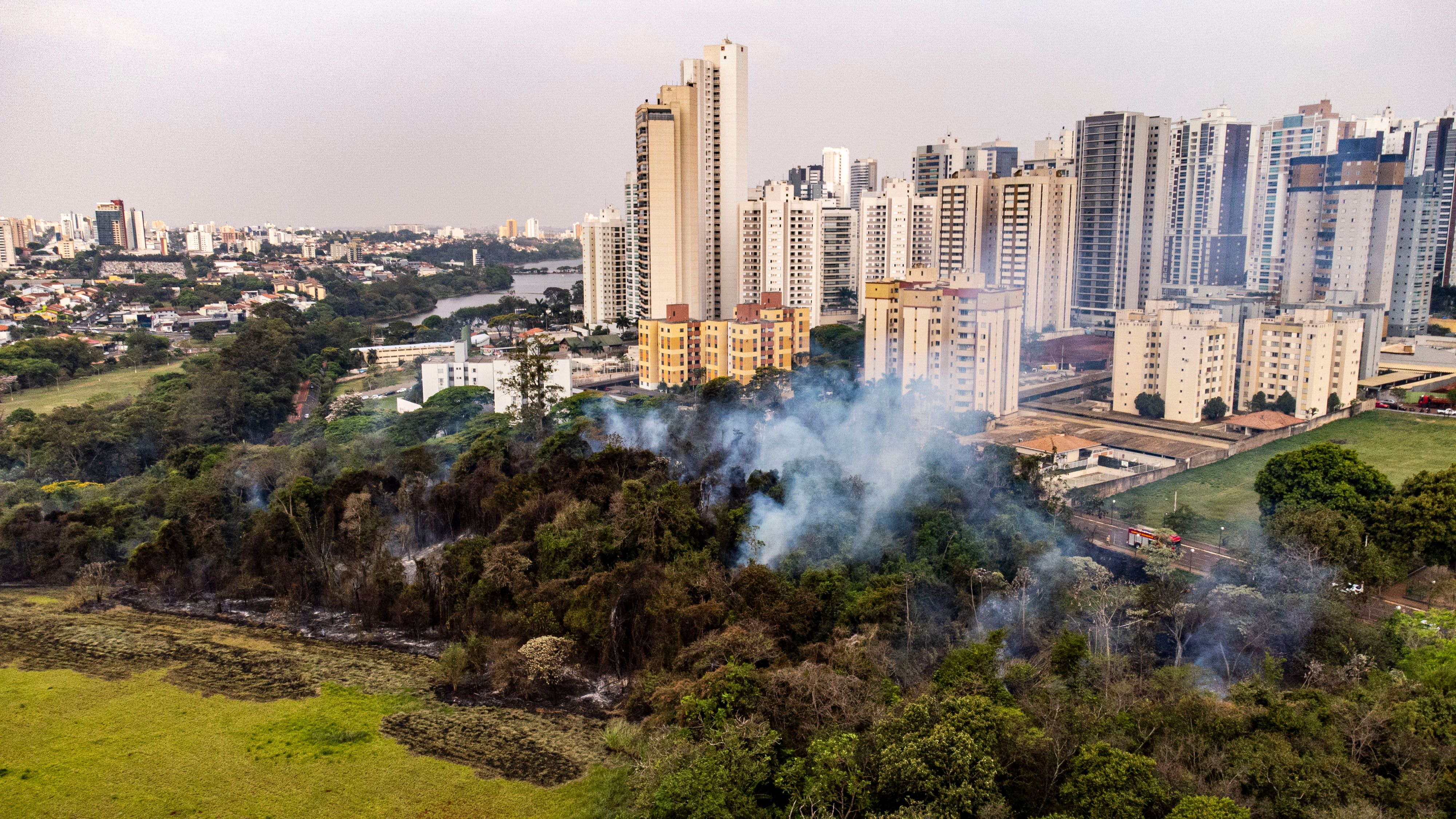
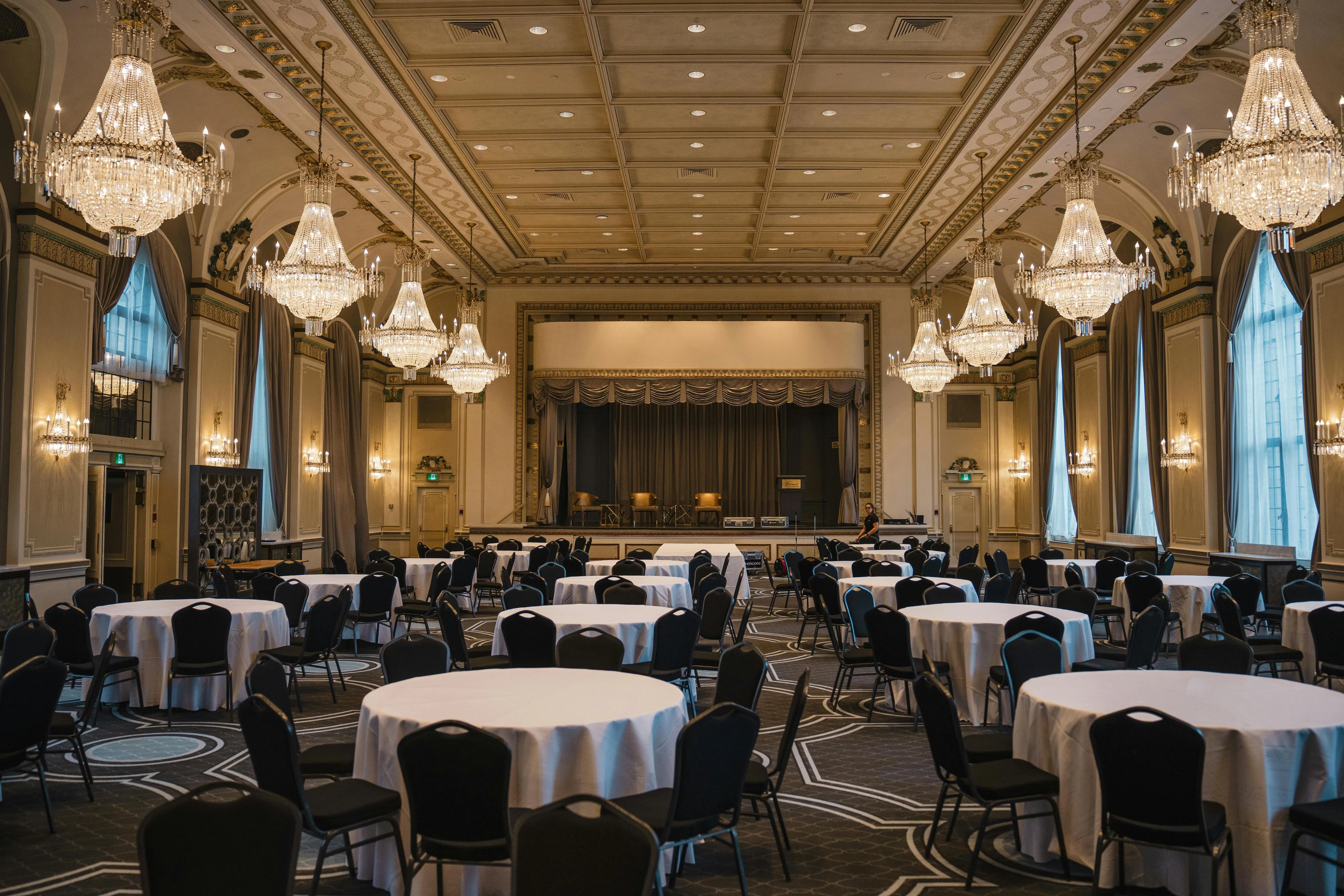
A Saturday in May. A 220-cover wedding in the main ballroom from 6pm. A 60-cover anniversary dinner in the syndicate room from 7pm. Sunday brunch for 80 prepping in the same kitchen from 4am the next morning. The food safety programme is dialled in for the all-day dining outlet. The function rooms are running on the same paperwork. Hotel banqueting food safety, in any operating hotel with significant events trade, is closer to a factory operation than a restaurant operation. Most hotels run it on restaurant procedures.
This article walks through the structural difference between banqueting and restaurant food safety, six risks that surface specifically at volume, and what good looks like when the events trade scales.
Why Banqueting Looks More Like a Factory Than a Restaurant
Hotel banqueting food safety risks are volume risks: hot holding times beyond 63°C across long service windows, cold holding integrity for cocktail receptions, transit between production and satellite kitchens, allergen handover to the banqueting team, externally provided items like wedding cakes, and the food safety management system stretching to cover an event cadence the kitchen was not built for.
Restaurants serve plated dishes by table at the moment of order. Banqueting produces volume in advance, holds, transits, plates up, and serves to a schedule. The food safety risk profile is different. Long hot holding. Transit between kitchens. Plate-up at speed. Allergen at scale. The Food Safety and Hygiene (England) Regulations 2013 apply equally to both, but the operational regime that delivers compliance has to be different.
Most hotels write one set of food safety procedures and apply it across both. The procedures work for the restaurant. They are tested and stretched by the function room.
Is your hotel running banqueting on restaurant food safety procedures?
Find out whether your events trade is being covered by procedures built for a different volume reality.
Book a Confidential BriefingRisk 1: Hot Holding Times Beyond 63°C Across Service Windows
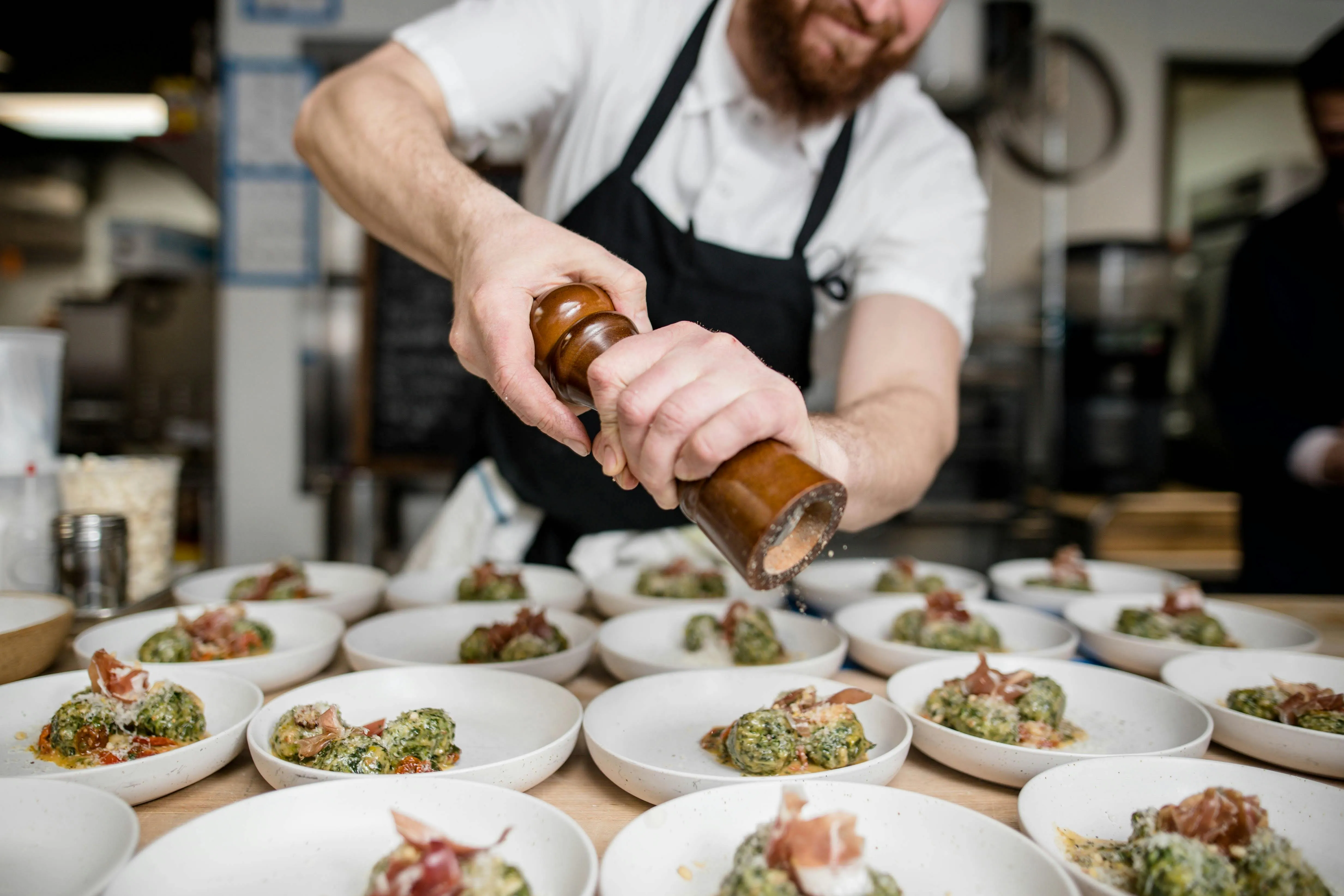
The fundamental banqueting risk. Hot holding must be at 63°C or above. A wedding service with a 90-minute drinks reception, a sit-down meal across two hours, and a wait between courses tests the holding regime. Hot boxes that were not pre-heated correctly drift below 63°C in the corner cells. The temperature log captures the hot box at one reading point. It does not capture the cells.
Picture a 200-cover plated lamb course. The first 20 plates leave the pass at 7:35pm. The last 20 plates leave at 8:50pm. The hot box temperature reading at 7:30pm was 67°C at the central probe. The corner cells where the last 20 plates were holding were at 60°C by 8:30pm. The reading log shows the hot box was compliant at the start of service. The plates that went out last were not compliant when they left.
The fix is hot holding at probe-verified temperature in every cell, not at a single reference point. Few hotels invest in the hardware to do that.
Risk 2: Cold Holding for Drinks Receptions and Cold Buffets
The reverse risk. Canapé reception at 6pm. Cold buffet at 7pm. Dwell time on the table. Cold holding must be at 8°C or below.
The drinks reception lasts 90 minutes and the canapés sit on chilled trays that are no longer chilled by the end. Picture a smoked salmon canapé reception at a summer event in a function room with marginal air conditioning, where the trays warm by 3°C across the reception. The cold-holding log says the trays left the kitchen at 4°C. The trays at the customer-facing end of service were sitting at 7°C by hour two. Wedding catering food safety lives at the boundary between when the food was held correctly and when it was eaten. The reception is the period most likely to drift unrecorded.
Wedding catering food safety lives at the boundary between when the food was held correctly and when it was eaten. The reception is the period most likely to drift unrecorded.
Risk 3: Transit Kitchens and Satellite Serveries
Larger hotels often run a central production kitchen and satellite serveries in function rooms, on different floors, sometimes in pavilions or marquees. Food in transit between production and service is in the temperature danger zone unless the transit equipment holds. The hot box that holds in the kitchen does not necessarily hold across a service lift, three corridors, and a freight passage.
We have walked hotels with marquee events in the grounds where the transit route includes 200 metres of outdoor footpath. The transit equipment was rated for the kitchen-to-service-lift distance. It was not rated for the additional outdoor leg. The temperature drop across that distance was within tolerance on a still warm evening and outside tolerance on a wet, windy one. Function room food safety has to engineer for the longest transit route, not the average one.
The structural answer is transit equipment specified for the actual route, with verified temperature monitoring at both ends and a documented transit time tolerance.
Risk 4: Allergen Handover at Plate-Up
The control point in event service. The chef plates the allergen plate. The banqueting team carries it to the seat. The handover is a verbal name-check and a place card seat number, often at speed under service pressure. The Food Information Regulations 2014 require accurate information at the point of service.
The allergen tier model we walk through in hotel allergen management at the buffet and banqueting tier places banqueting as the hardest tier to engineer because the handover is the control point and the team has rotated since the last function. The banqueting allergen procedure has to treat the handover as the control, not as logistics. Most banqueting teams have not been trained that way.
The fix is a documented seat assignment for every allergen plate, a verified handover from chef to banqueting manager, and a confirmation at the table when the plate is delivered.
Risk 5: Externally Provided Items
Weddings often involve a cake brought in by the family or a bakery the customer chose. Corporate events sometimes include catering brought from elsewhere, including brand activations, sponsor product, and gifted celebration items. Externally provided food carries no traceability, no allergen verification, and no temperature history.
The hotel's food safety management system has to address externally provided items. Most do not. Picture a coeliac guest at a wedding with a cake the family brought from a bakery the hotel has no record of. The hotel takes the cake into the kitchen, refrigerates it, plates it, and serves it. The hotel has assumed responsibility for serving it. The traceability ends at the moment the family handed it over. The Food Standards Agency guidance on traceability requires food businesses to be able to identify the immediate supplier and recipient of any food. Externally provided wedding items break that chain.
The structural answer is a documented externally provided items policy. Either the hotel handles them with a defined acceptance protocol, or the hotel does not handle them at all and the customer takes responsibility. The hybrid arrangement most hotels run, where the cake is accepted and stored without protocol, is the worst version.
The hybrid arrangement most hotels run, where the cake is accepted and stored without protocol, is the worst version. Either handle it with a defined acceptance protocol, or do not handle it at all.
Does your hotel have a documented externally provided items policy?
Find out whether your banqueting food safety programme addresses allergen handover and external item traceability at the control point that matters.
Book a Confidential BriefingRisk 6: Event Cadence the Kitchen Wasn't Built For
The structural risk. The hotel kitchen was built to serve the all-day dining outlet at expected volumes. The events calendar pushes it to four times that volume on a Saturday and back to baseline on Sunday. The food safety management system has to scale across that cadence.
Cleaning regimes, temperature monitoring, allergen separation, kitchen layout, all need to scale. Most do not. The kitchen turns into a different operation on a Saturday and the food safety paperwork does not reflect it. The same compounding problem we walk through in hotel food safety intensifies for banqueting because the volume swing is larger and faster than any other outlet handles.
The structural answer is event-day procedures distinct from baseline procedures, with the additional cleaning, additional allergen separation, additional temperature monitoring, and additional staff briefing built in. The HACCP plan has to reflect both modes. Few hotels engineer it that way.
The kitchen turns into a different operation on a Saturday and the food safety paperwork does not reflect it. Event-day procedures need to be distinct from baseline procedures, with the HACCP plan reflecting both modes.
What Good Looks Like: Banqueting Food Safety as Its Own Discipline
A working banqueting food safety programme has three layers.
Layer One: Banqueting-Specific Procedures
The first layer is banqueting-specific procedures that reflect the volume reality. Separate from the all-day dining procedures. Owned by the F&B Director and the Head of Banqueting. Reviewed when event volumes shift materially or new event types enter the trade mix.
Layer Two: Event-by-Event Food Safety Review
The second layer is an event-by-event food safety review built into the function sheet workflow. The function sheet specifies the menu, the cover count, the service window, the allergen requirements, and the externally provided items. The food safety review is a checklist on the function sheet, not a separate document. It runs at the function planning stage, not at service.
Layer Three: Estate-Level Independent Assurance
The third layer is estate-level independent assurance that calibrates between properties and surfaces the events most likely to fail. The same governance question we walk through in HACCP planning for contract caterers applies to hotel banqueting at scale. This is where our food safety assurance work sits across hotel estates with significant events trade.
When to Commission an Independent Banqueting Food Safety Review
The trigger points show up in patterns. Rising events trade where the procedures have not scaled. New event formats, including live cooking stations, marquee events, or pop-up activations on hotel grounds. Post-incident, including any near-miss the team caught before service. Ahead of a brand audit that scrutinises events. When the existing food safety programme has not specifically addressed banqueting in 18 months.
Operators in our hotel sector practice commission the events review when the trade mix is changing. The pattern is to bring the review forward when a new event type is being introduced, rather than to discover the procedures do not cover it during the first event.
If your hotel estate runs a significant events trade and the food safety programme was written for the all-day dining kitchen, an independent banqueting and events review can show you where the volume reality stretches the regime.
If your hotel estate runs a significant events trade and the food safety programme was written for the all-day dining kitchen...
An independent banqueting and events review can show you where the volume reality stretches the regime. We work with managed and branded operators with substantial banqueting volumes.
Book a Confidential Operational Briefing