
What You'll Learn
This guide is designed for school leaders, catering providers and allergy safety leads who need to understand what Benedict's Law and the new statutory guidance mean in practice — particularly where a mature allergen management system already exists.
- Why the biggest opportunity is alignment between school and catering systems, not rewriting existing procedures
- Where responsibility sits between schools and catering providers, and why it shouldn't be transferred
- What good two-way communication and escalation arrangements look like at site level
- How emergency arrangements and incident learning need to work as one joined-up system
- The 8 questions schools and catering providers should review together now
The introduction of Benedict's Law represents an important development in how allergy safety is managed within schools in England. However, for schools and catering providers with well-established allergen management systems, the changes should be viewed as an opportunity to strengthen alignment, communication and collaboration, rather than necessarily requiring wholesale changes to existing food safety procedures.
The bigger challenge - and opportunity - is ensuring that school allergy arrangements and catering allergen controls connect effectively.
A school can have a comprehensive allergy safety policy and a caterer can have robust food safety and allergen procedures, but neither system will operate effectively if important information does not pass accurately and promptly between them.
Effective implementation will therefore depend heavily on communication, collaboration and clearly understood responsibilities.
The Children's Wellbeing and Schools Act 2026 introduces a statutory requirement for applicable schools to have an allergy safety policy. The Department for Education has also published new statutory guidance setting out expectations for supporting pupils with allergies, including allergy safety policies, staff training, Individual Healthcare Plans (IHPs), emergency arrangements and learning from serious incidents and near misses.
Shared Objective, Different Responsibilities
Effective allergy management in schools has always depended on more than the controls within the kitchen.
Schools and catering providers have different but interconnected responsibilities. The school has responsibility for its wider allergy safety arrangements and child safeguarding, while the catering provider retains responsibility for ensuring that food is prepared, handled and served safely and that accurate allergen information is available.
The important point is therefore not to try to transfer responsibility from one party to another, but to make sure that responsibilities are clearly understood and that the arrangements work together.
A robust catering allergen procedure can still be undermined if information about a pupil's allergy has not reached the catering team. Equally, a comprehensive school allergy policy cannot compensate for weaknesses in ingredient controls, communication of menu changes, allergen cross contact controls or the identification of pupils requiring a medical diet.
The interface between the two systems is therefore critical.

For Established Catering Operations, Much of the Foundation Already Exists
Many education catering providers already operate comprehensive allergen management systems incorporating:
- documented medical diet procedures;
- allergen and food safety training;
- controlled supplier and ingredient information;
- verification and authorisation of medical diet records;
- allergen controls within kitchens;
- procedures for substitutions and menu changes; and
- incident investigation and corrective action.
Where these arrangements are already robust, Benedict's Law should not necessarily result in significant changes to day-to-day food preparation controls.
The priority should instead be to review existing procedures against the school's allergy safety policy and individual pupil arrangements, identifying any gaps, duplication or, importantly, conflicting instructions.
Not sure your catering allergen procedures fully align with your school's allergy safety policy?
Our team can review your existing arrangements against Benedict's Law and the new statutory guidance.
Book a Confidential BriefingCommunication Needs to Work Both Ways
At site level, schools and catering providers should agree and document the communication arrangements between them. This should include who is responsible for providing and updating pupil allergy information, how medical diets are authorised and communicated, how changes are notified, how concerns or discrepancies are escalated, and how relevant information is shared during an incident or subsequent investigation. These arrangements should be understood by appropriate deputies so that the process does not depend upon one individual being available.
Schools need to provide catering teams with accurate, current and appropriately authorised information about pupils requiring dietary controls. Catering providers need to communicate changes that could affect those controls, including ingredient substitutions, menu changes, supplier changes or circumstances where an agreed meal cannot be provided safely.
Both parties should understand:
Who provides the information? Who verifies it? Who receives it? Who acts upon it? What happens when something changes?
These questions become particularly important where several people or systems are involved.
Changes to a pupil's requirements should not rely on informal conversations reaching the right person. Similarly, catering teams need a clear escalation route where information is incomplete, contradictory or has not been received through the agreed process.
.jpg)
Do your school and catering team have a documented, agreed communication process?
We can help you set out clear responsibilities and escalation routes that meet Benedict's Law expectations.
Book a Confidential BriefingEmergency Preparedness Requires Collaboration
Emergency arrangements are another area where close collaboration will be essential.
The school's wider emergency arrangements establish how an allergic reaction is recognised, escalated and managed across the school.
Schools will need to consider the availability and use of adrenaline auto-injectors, staff training, emergency response, Individual Healthcare Plans and communication with parents or carers and emergency services.
Catering teams need to understand the parts of these arrangements relevant to their role. This is particularly important where an incident occurs during food service.
The objective should be a joined-up response, rather than separate school and catering procedures operating alongside one another without a clear interface.
Where catering colleagues are not designated emergency responders, they should nevertheless understand the school's emergency arrangements, how to raise the alarm and what is expected of them if an allergic reaction occurs during food service. Schools and catering providers should also consider whether wider allergy emergency awareness or AAI training for catering colleagues would strengthen the site's arrangements.
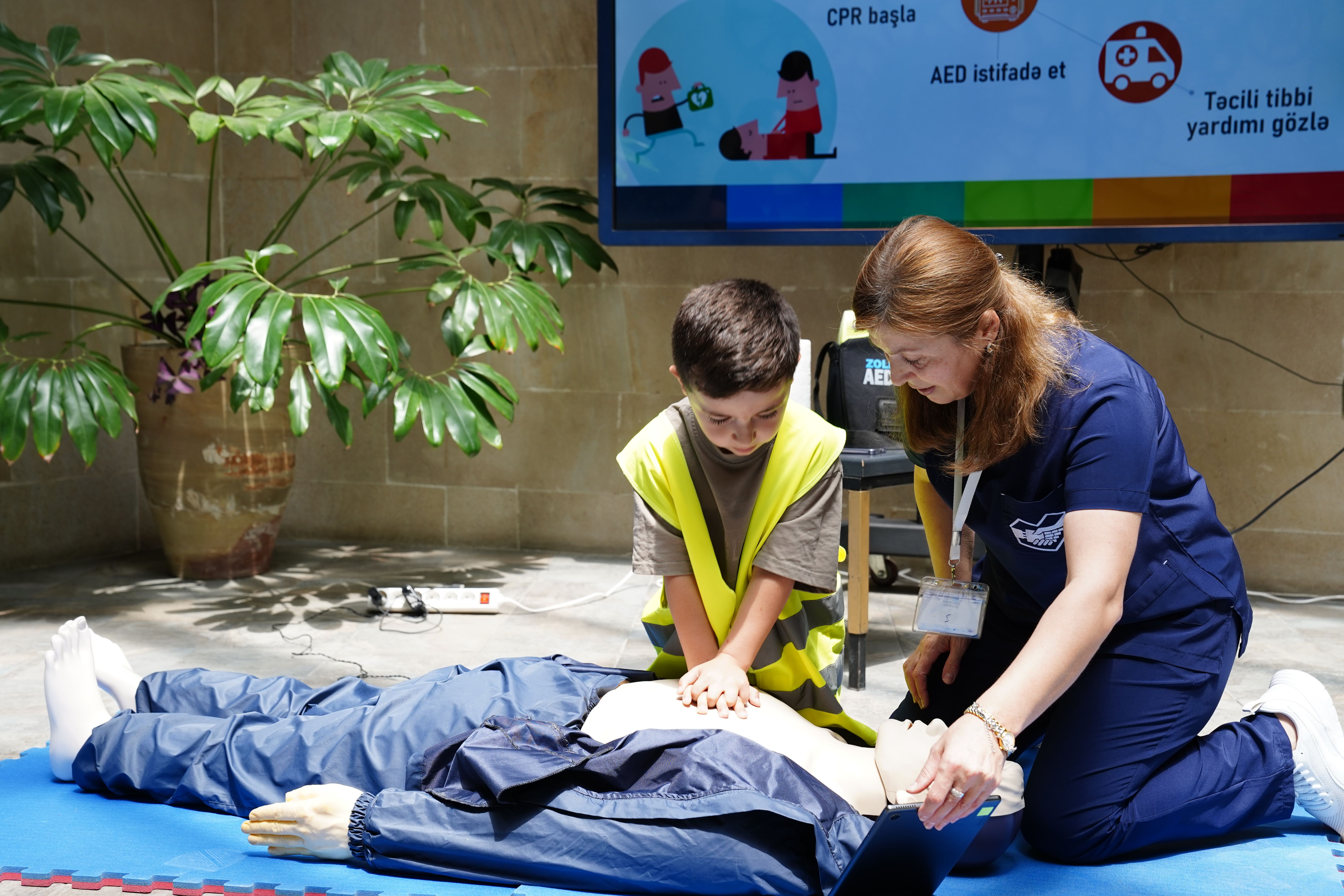
Learning from Incidents and Near Misses
The new statutory guidance also places emphasis on recording and learning from serious incidents and near misses.
This provides another important opportunity for collaboration.
Where an incident involves food provision, the school and catering provider should establish how investigations will be coordinated, how relevant evidence will be shared and how actions will be communicated.
Learning should also extend beyond incidents that result in harm. A wrong meal identified before service, an incorrect dietary record, an unauthorised substitution or a breakdown in communication may provide valuable information about weaknesses in the system.
Effective organisations should be asking not simply "Who made the mistake?", but "How did our combined arrangements allow this to happen, and what can we change to prevent recurrence?"
Would your school and catering team know how to coordinate on an allergy incident investigation?
We can help you build a joint emergency and incident-learning process that meets the new statutory guidance.
Book a Confidential BriefingWhat Should Schools and Catering Providers Do Now?
The focus should be on alignment rather than duplication.
Existing allergen and medical diet procedures should be reviewed alongside the school's allergy safety policy and relevant IHP arrangements. Particular attention should be given to the points where responsibility or information passes between the school and catering operation.
Where existing catering controls already meet or exceed the requirements, there is little benefit in changing them simply for the sake of demonstrating compliance. Instead, the emphasis should be on confirming that they support the school's arrangements and that there are no gaps or conflicting procedures.
Any necessary changes should be agreed collaboratively and communicated clearly to the people expected to implement them.
Schools and catering providers should review together:
- Policies – Do the school's allergy policy and catering allergen/medical diet procedures align?
- People – Are the respective responsibilities and escalation contacts clear?
- Pupils – Does the caterer have accurate, current and appropriately authorised information for pupils requiring dietary controls?
- Changes – How are changes to pupil requirements, menus, recipes, ingredients and suppliers communicated?
- Emergencies – Does the catering team understand the school's emergency arrangements and its role within them?
- Incidents – Is there an agreed process for sharing information and jointly learning from incidents and near misses?
- Review – Is there a mechanism for periodically checking that these arrangements remain effective?
- Non-routine activities – Are arrangements clear for school trips, events, theme days, packed lunches, hospitality and other occasions where normal food service arrangements may change?

Ready to review your school's allergy policy against your catering provider's procedures?
We can guide you through the 8-point review and flag any gaps or conflicting instructions.
Book a Confidential BriefingCollaboration Is the Key Control
Benedict's Law strengthens and formalises allergy safety within schools, but effective implementation will depend on more than having the correct policies in place.
For catering providers with mature allergen management systems, the biggest opportunity may not be rewriting established procedures. It is ensuring that the school's allergy safety arrangements and the caterer's food safety controls operate as one coordinated system.
Clear responsibilities, reliable information sharing, agreed escalation routes, coordinated emergency arrangements and joint learning from incidents will be fundamental.
Ultimately, the safest system is not one in which the school and caterer can each demonstrate that they have a policy.
It is one in which both parties understand how those policies connect in practice and work collaboratively to protect the child.

Further information
Department for Education – Allergy safety in schools: statutory guidance
Allergy safety in schools
Department for Education – Allergy guidance for schools, including information relevant toschools and caterers
Allergy guidance for schools
Children's Wellbeing and Schools Act 2026 – allergy safety provisions
Children's Wellbeing and Schools Act 2026
Is your catering allergen system aligned with your school's allergy safety policy under Benedict's Law?
We help schools and catering providers review, align and evidence their combined allergy safety arrangements.
Book a Confidential Briefing