


Independent Assurance for Hotel Operations.
European Safety Bureau provides independent food safety, health and safety, and fire risk assessment across multi-property hotel estates. Reporting is structured for review by owners, franchisors, insurers, and the executive team.
Years of Independent Assurance
Sites Assured Across Europe
Countries of Active Operation
Trusted by operations leadership at
.avif)
.avif)
.avif)
.avif)
.avif)
.avif)
.avif)
.avif)
.avif)
.avif)
.avif)
.avif)
.avif)
.avif)
.avif)
.avif)
.avif)
.avif)
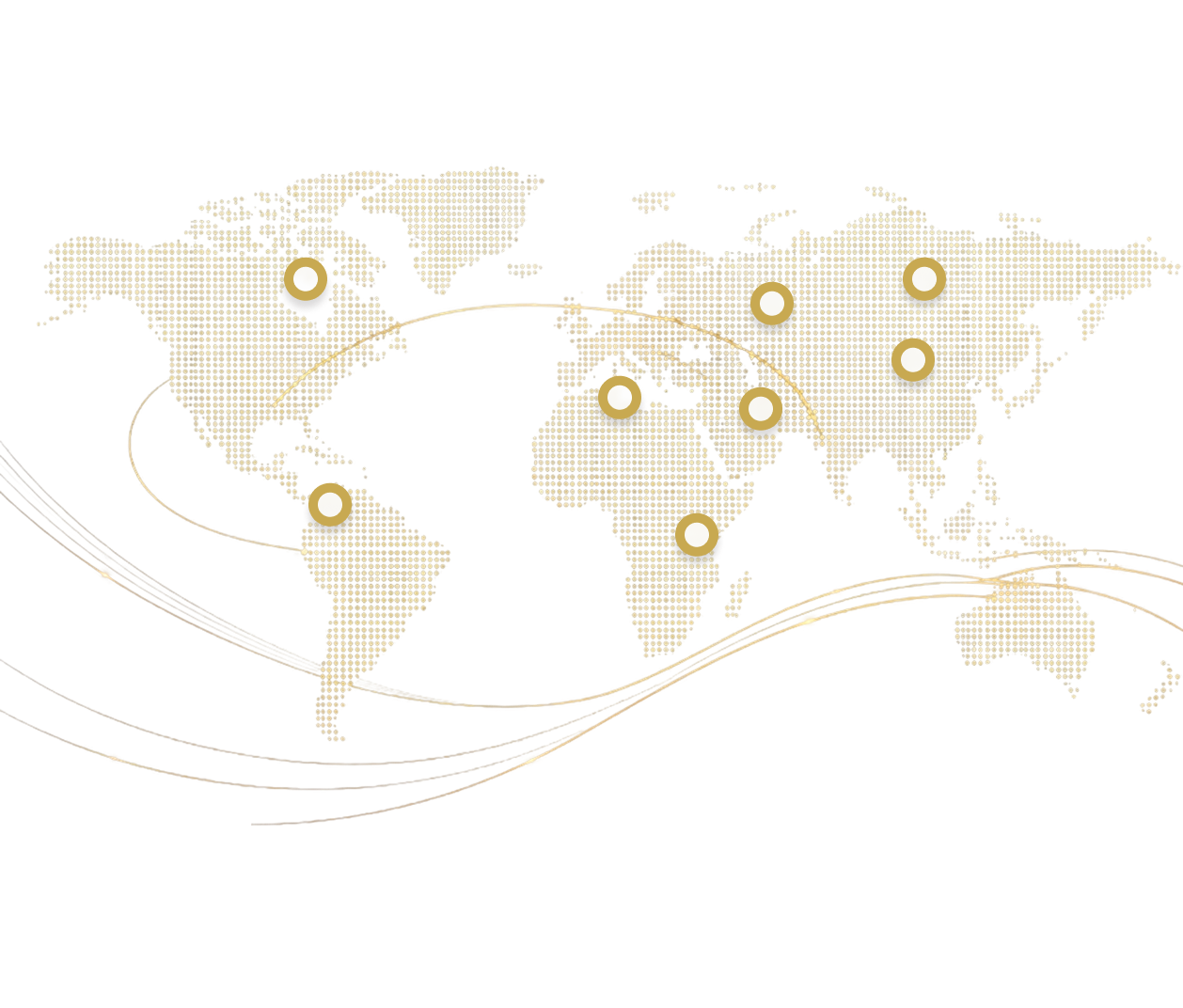
Properties Assured Across Twelve Countries on a Single Reporting Framework.
ESB consultants have completed assurance engagements across Western Europe, the Gulf region, and select North American and Asian markets. A unified scoring methodology supports direct comparability between properties, regardless of jurisdiction.

United Kingdom
Republic of Ireland
France
Germany
Spain
Portugal
Italy
Netherlands
Switzerland
United Arab Emirates
United States
Singapore
Operational Risk in Multi-Property Hotel Estates.
Hotel estates operate continuously across food and beverage, housekeeping, maintenance, contractor activity, and front-of-house service. Departmental reporting lines are rarely uniform, property cultures differ, and the residual risks that determine outcomes seldom surface within head-office reporting.

Cross-property Inconsistency
A single standard operating procedure, applied across multiple properties, typically produces materially different outcomes. Variation is driven by management tenure, trading pressure, and local supervisory practice. Identifying the properties that have drifted from the standard, and the underlying causes, is an operational requirement.

Night Operations and Contractor Exposure
Standards observed during day operations frequently degrade during overnight shifts. Cleaning, maintenance, and catering contractors introduce risk that internal management teams do not always observe end-to-end. ESB assessment activity is scheduled to cover both day operations and reduced-occupancy periods.
.svg)
Guest-facing Residual Risk
Legionella management, fire evacuation, allergen handling, and slip and trip exposure are addressed daily across every property. The relevant question is not whether procedures exist or are followed in principle, but whether they are executed with sufficient consistency to prevent an incident.

Owners and operators are expected to verify independently, particularly across borders where reporting standards and definitions vary. The cost of misalignment is typically realised at contract review.

Ben Gardner
Chief Executive Officer, European Safety Bureau

Internal Audit Reflects the Standard Set Internally.
Independent Assessment Reflects the Standard External Parties Apply.
Internal audit teams are competent and necessary. They also report through the same management line that owns the operational result. Issues identified through internal channels are typically those already in the process of being addressed.
Independent assurance produces a verified position that can be acted upon, evidenced in tender documentation, presented in quarterly governance review, and submitted to the board. It supports contract retention, insurer engagement, and regulatory readiness.
This is the standard now expected by owners, franchisors, and insurers across multi-site hospitality. It is increasingly the position required by enforcement authorities.
Three Assurance Lines, Delivered As an Integrated Programme.
Multi-site hotel businesses commonly procure these services separately, with limited correlation between findings. ESB delivers the three lines as a single programme so that patterns across food safety, health and safety, and fire risk are reported in aggregate.

Food safety audits and assessments
Unannounced kitchen and allergen assessments, scored against the three areas applied by Environmental Health Officers: structure and equipment, food hygiene practices, and confidence in management.

Site-level scoring with cross-property pattern reporting
Allergen and PPDS verification under Natasha's Law (2021)
Documented evidence of management controls maintained between visits
Health and safety audits
Statutory health and safety compliance assessed against operational reality. Coverage includes policy, training records, contractor management, accident reporting, and the daily disciplines that protect guests and employees.
Multi-property auditing under HSWA 1974 and MHSWR 1999
Contractor and night-shift observation, in addition to documentation review
Quarterly portfolio-level drift reporting

Fire risk assessments
Fire risk assessment conducted under the Regulatory Reform (Fire Safety) Order 2005. Reports are produced to a standard that is practical, defensible, and actionable by property management teams.
Property-level FRA refresh with significant findings tracked to closure
Compartmentation, evacuation, and contractor hot-works review
Reporting suitable for owner, insurer, and enforcement scrutiny
Policy & procedure
Documentation aligned to operational practice.
Training & coaching
Capability development for property teams between assessment cycles.
Incident & enforcement support
Direct support during EHO action, prosecution, or insurer review.
Pre-opening & due diligence
Acquisition, contract takeover, and pre-opening assurance.
A Predictable Assurance Cycle for Multi-property Estates.
ESB engagements follow a structured cycle designed to operate alongside, not interrupt, normal hotel operations. Findings are communicated to property management at the conclusion of each visit and consolidated into tiered reporting for operations leadership and governance review.

Confidential Briefing
A thirty-minute consultation with the ESB hotels practice to understand portfolio composition and reporting requirements.
Estate Scoping
Mapping of properties, contractual structures, and governance reporting needs. Pre-opening, mid-tenure, and exit engagements differ in scope.
Unannounced Site Visits
Site-level assessments are conducted without prior notice, including overnight visits where appropriate. Some of our consultants are former Environmental Health Officers.
Tiered Reporting
Site-level reports for property management. Cross-property pattern reports for operations leadership. Governance summaries for owners, franchisors, and insurers.
Quarterly Review
A scheduled review with operations leadership focused on portfolio trend analysis and the closure of significant findings, rather than individual site scores.
Reporting Structured for Four Governance Audiences.
Independent assurance must be intelligible to four distinct stakeholder groups within a hotel business. ESB reporting is structured so that each receives the information relevant to its decision-making.

Consistent operational standards across the estate, with early identification of material drift before it affects contract performance or guest outcomes.
Independent validation that supports the internal compliance position and provides documented evidence for escalation.
Documentation suitable for direct presentation to owners, franchisors, and insurers, written to address contractual and reputational risk.
Portfolio-level governance evidence, contract protection, and a documented record of independent verification in the event of an incident.
We expected a safety report. We received an operations report identifying the three properties drifting most rapidly, with the underlying causes attributed. It informed the structure of our subsequent quarterly review.

Group Operations Director
Multi-brand United Kingdom hotel group


3

14d

100%
.svg)
Q1
Reporting Structured for Material Review.
Owners require evidence of independent verification. Franchisors require consistency across the estate. Insurers require defensibility in the event of claim. Boards require a documented record. ESB reporting is structured so that a single assurance cycle addresses all four requirements.
Evidence of Independent Verification
Documentation suitable for inclusion in periodic asset review and contractual reporting.
Consistency Across the Estate
Brand-standard alignment evidenced through a single, comparable scoring framework.
Defensibility on Claim
Material findings tracked to closure, with auditable evidence retained between cycles.
Documented Governance Record
Portfolio-level summaries presentable to audit committee, with trend analysis attached.
For multi-site hotel operators, independent operational assurance is no longer discretionary. It is a contractual and governance requirement.
Questions Raised by Operations Leadership Prior to Engagement.
We already operate an internal audit programme. Why engage ESB?

Internal audit reports to the management line responsible for the operational result. Independent assurance produces a verified position suitable for external review. The two functions are complementary, and the majority of our clients operate both. Internal teams identify issues within the parameters monitored; independent assessment identifies patterns and exposures outside those parameters.
How disruptive is an ESB site visit?
Site visits are conducted on the operational rhythm of the property, including front-of-house, kitchen, and back-of-house areas, with overnight visits scheduled where relevant. Property management is debriefed at the conclusion of the visit, in advance of formal written reporting.
How quickly is reporting issued?
Site-level reports are typically issued within five working days of the visit. Portfolio pattern reports are issued within fourteen days of the final site visit in a cycle. Governance summaries are produced on the cadence agreed with the client.
Does ESB cover properties outside the United Kingdom?
ESB has assessed properties across twelve countries. A single scoring and reporting framework is applied consistently across jurisdictions to support direct comparability between properties and across borders.
How are franchise and management-contract estates handled?
ESB engages with hotel management companies, brand operators, and asset owners. Reporting is structured to align with the party that holds the contractual and reputational risk. Franchisor brand standards are addressed in parallel where required by the engagement.
What is the post-report engagement model?
The majority of clients retain ESB on a quarterly cycle. The retainer covers site-level reporting, cross-property pattern reporting, governance summaries, and direct support to operational management between scheduled visits.
Are ESB consultants regulators?
No. European Safety Bureau is an independent operational assurance consultancy. Some of our consultants are former Environmental Health Officers. Engagements are conducted in support of internal teams, not in place of them.
Request a Confidential
Operational Briefing.
A thirty-minute consultation with the ESB hotels practice. The session is non-commercial and concludes with an initial view of where material risk is concentrated within your estate, irrespective of whether engagement proceeds.
Request BriefingFor prospective clients ready to schedule directly. Reserve a thirty-minute briefing →